
Search Burnet County Family Court Records
Burnet County family court records are maintained by the District Clerk's office in Burnet, the county seat of this Texas Hill Country county. Family law cases for Burnet County, including divorce, custody, child support, paternity, and protective orders, are all filed and stored at the courthouse in Burnet. If you need to access Burnet County family court records, you can search cases online through the statewide re:SearchTX portal or go directly to the courthouse for in-person access. The county has seen growth in recent years as people move to the Hill Country from nearby Austin and other metro areas, and the District Clerk's office processes all family law matters for county residents.
Burnet County Overview
Burnet County District Clerk
The Burnet County District Clerk is the official keeper of all family court case files in the county. Divorce records, custody orders, support judgments, and protective orders are all on file here. The office provides public access to court records and can make plain and certified copies for requesters. Staff can search by party name or cause number.
Burnet County sits in the heart of the Texas Hill Country, northwest of Austin along the Colorado River and Lake Lyndon B. Johnson. The county includes communities like Marble Falls, Burnet, Llano area fringe, and other Hill Country towns. Marble Falls is a growing city in the county. All family law cases for the county go through the District Clerk in Burnet city, regardless of which community the parties live in.
The 33rd Judicial District Court handles family law matters in Burnet County. Cases are heard at the courthouse in Burnet. If you need to file a divorce, custody, or support case, you file it with the District Clerk's office in Burnet. If you need records from a past case, the same office has those on file.
| Office | Burnet County District Clerk |
|---|---|
| Address | 220 S. Pierce Street Burnet, TX 78611 |
| Phone | (512) 756-5450 |
| Hours | Monday through Friday, 8:00 AM to 5:00 PM |
| Website | burnetcountytexas.org |
How to Search Burnet County Family Court Records
The re:SearchTX portal is the main online tool for searching Burnet County family court cases. It covers electronically filed cases since November 2018. You can search by name or case number after registering for a free account. Case information includes docket entries, document previews, and party details. For certified copies, contact the District Clerk directly.
For older Burnet County family court records not in re:SearchTX, contact the clerk's office by phone at (512) 756-5450 or visit in person. Bring the names of the parties and an approximate filing year if you have one. Staff can search local records and provide copies. Many people looking for records from the 1990s and earlier will need to request them this way.
Attorneys filing new cases in Burnet County use eFileTexas.gov, which is mandatory for all Texas attorneys in family court. Self-represented litigants can also use eFileTexas. All new filings go into the court system and become part of the District Clerk's official record.
Note: Burnet County has grown significantly in recent years. The courthouse can be busy. Calling ahead before visiting in person is a good way to confirm wait times and current processing costs.
Statewide Resources That Apply to Burnet County
The Texas court rules and forms page lists all statewide family law forms that apply to Burnet County cases. These forms are approved by the Texas Supreme Court and include petitions, responses, and agreed orders for divorce, custody, and support matters.
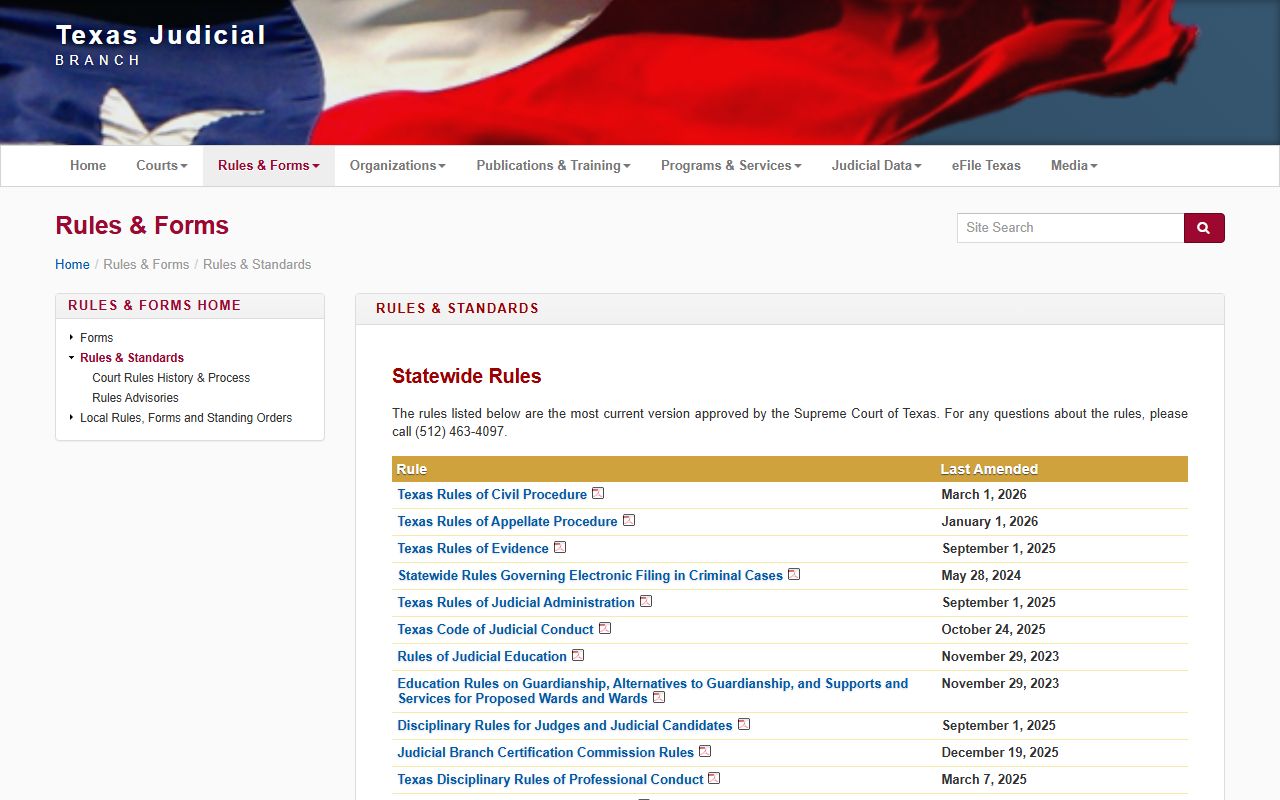
These court forms are the same ones accepted at the Burnet County courthouse. Any form approved by the Texas Supreme Court can be used in Burnet County district court proceedings.
Texas Attorney General resources for open records at texasattorneygeneral.gov can help if you encounter issues getting access to family court records in Burnet County. The Texas Public Information Act gives you the right to access most court records held by the clerk.
Filing in Burnet County District Court
To file a family law case in Burnet County, at least one party must have lived in Texas for six months and in Burnet County for 90 days, as required by Texas Family Code Section 6.301. Hill Country counties like Burnet have seen an influx of new residents, so if you recently moved to the area, make sure you meet the county residency rule before filing.
The 60-day waiting period under Texas Family Code Section 6.702 applies to all divorce filings in Burnet County. The judge cannot sign the final decree before those 60 days pass. For an agreed divorce, once the waiting period ends and all paperwork is in order, the judge typically schedules a brief hearing and signs the decree.
Custody cases in Burnet County use the standards in Texas Family Code Chapter 153. Joint managing conservatorship is the starting presumption. Parents can agree on a possession schedule or let the court decide. All orders are filed at the District Clerk's office and are part of the public record unless sealed by court order.
Help with Family Court Cases in Burnet County
Lone Star Legal Aid serves Central Texas, including Burnet County. They offer free help for qualifying low-income residents with family law matters. Call (800) 733-8394 to check eligibility. TexasLawHelp.org has free self-help guides for divorce, custody, and support cases in Texas courts.
The Texas courts self-help page explains how to navigate family court proceedings in Burnet County. The State Bar of Texas lawyer referral service at (800) 252-9690 can refer you to a family law attorney in the Burnet or Marble Falls area. For child support enforcement, contact the Attorney General's Child Support Division at 800-252-8014.
Communities in Burnet County
Burnet County includes the city of Burnet and Marble Falls, as well as smaller communities. No cities in Burnet County meet the threshold for a dedicated city page. All family court filings go through the District Clerk in Burnet.
Nearby Counties
These counties are near Burnet County in the Texas Hill Country.